How London Athletes Approach Race Morning Warmups
How London Athletes Approach Race Morning Warmups looks at pace-line discipline through the practical rhythm of inline marathon skating in London. The focus is on preparation, city-course decisions, group skating habits, and the small details that help skaters stay efficient over distance.
Race context
Inline marathon skating rewards smooth decisions. Skaters have to manage pace, surface changes, corners, traffic around the pack, and the energy cost of every acceleration. In a city setting, that makes preparation as important as raw speed.
For newer competitors, pace-line discipline is a useful way to understand the event. It connects training sessions, skate setup, pack etiquette, and race-week planning into one repeatable approach.
Training priorities
A good session usually has one clear purpose. Some days are built around cadence and relaxed speed, others around cornering, drafting, starts, or controlled endurance. The most useful training is specific enough to review after the session.
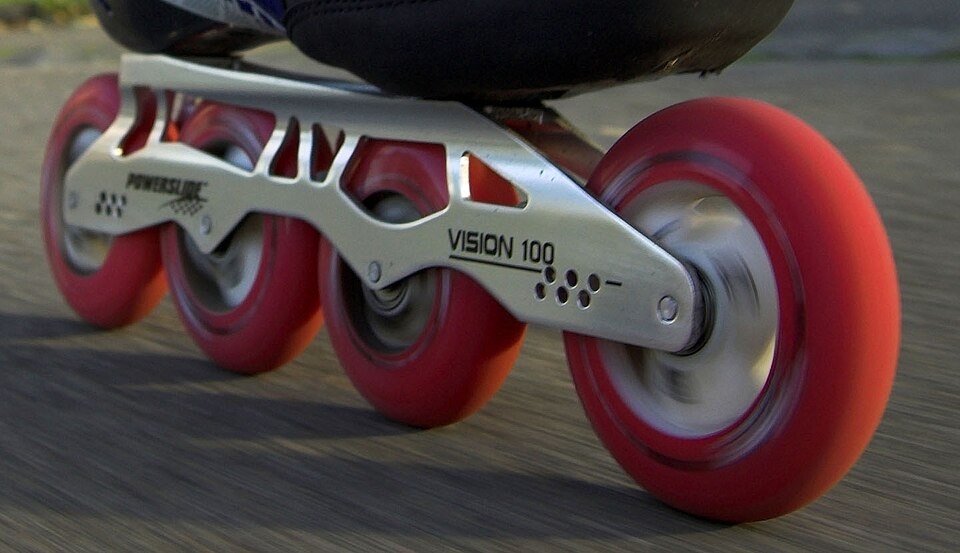
Equipment checks also matter. Wheels, bearings, frame position, boot comfort, and protective gear can all change the way a skater feels late in a long effort. Small setup problems become large problems when fatigue arrives.
Race-day habits
On race day, skaters need routines that keep the first kilometers calm. Warmups, hydration, route notes, pack positioning, and communication all reduce unnecessary stress. The best competitors save effort early so they still have options later.
When the pace changes, simple habits are easier to trust. A skater who can reset after a rough corner or a gap in the pack is better prepared to finish strongly.
What to watch next
The strongest signal is how skaters carry lessons from one route or event into the next. Progress usually comes from cleaner pacing, better setup notes, steadier pack awareness, and confidence built through repeatable training.